
Product · For hospitals
An AI phone receptionist for hospitals
Vikku answers hospital calls in Telugu, English and Hindi, books patients into the doctor's real queue, and hands emergencies to staff.
It is a working product, tested with local test calls and scripted conversations. It has not yet run in a real hospital.

- Built forHospitals in Andhra Pradesh and Telangana
- LanguagesTelugu, English and Hindi, including mid-call switching
- Used byPatients who call, and front-desk staff on the dashboard
- StageWorking product, no live hospital yet
The problem
A hospital front desk does two jobs at once: it serves the patients in front of it and answers the phone. When the desk is busy or closed, the caller gets no answer and may go elsewhere. Generic voice bots do not fit this setting, for four reasons.

- LanguageCallers here speak Telugu, Hindi and English, and often mix them in one sentence.
- QueuesMost clinics do not run on exact appointment times. The doctor sees one patient, then calls the next, so a booking is really a place in line.
- RiskA caller may describe chest pain or ask to change a dose. A bot must not handle those alone.
- TrustFormal, wordy speech sounds like a machine, and callers lose patience with it.
The product
Vikku has two sides: a phone agent for patients and a dashboard for staff.
- One view of the dayThe overview shows what needs attention first: urgent tasks, calls, AI bookings and who is next in the queue.
- One queue for phone and desk patientsStaff see every patient's number and rough arrival time, whichever way they booked. They can mark visits and no-shows, and keep time free for walk-ins.
- Desk booking in a few fieldsFor a walk-in, staff enter a phone number, name and doctor. The system offers the next number in each session.
- Every call is reviewableEach call keeps a summary and a transcript, so staff can check what was said without calling back.
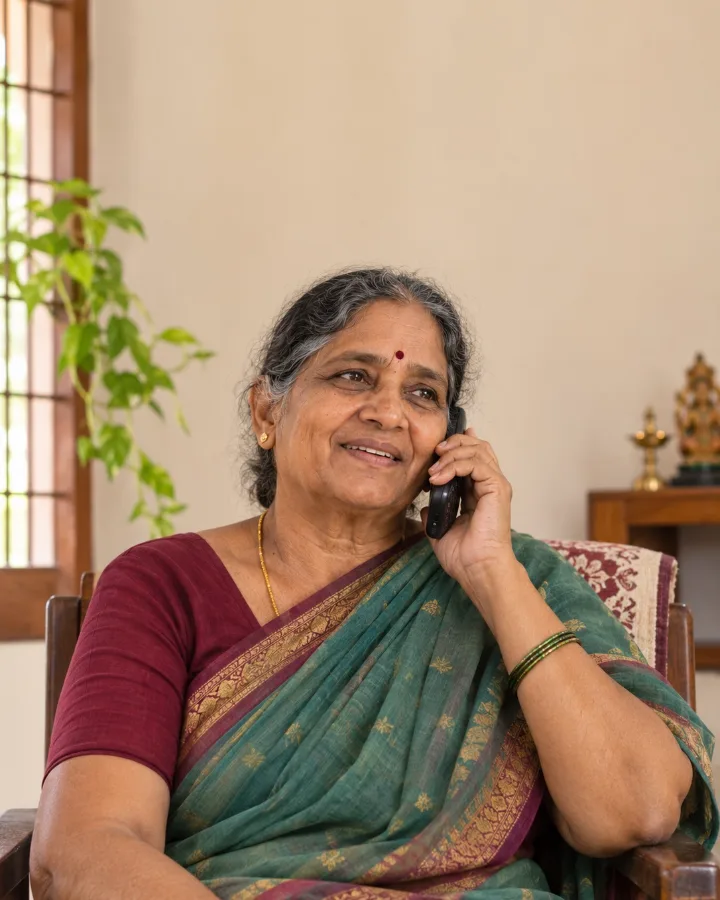

How a call works
The AI handles routine requests and passes anything risky to a person.
- Routine requestsVikku handles these itself. A caller gets a place in the queue, such as "number 5, around 10:30".
- Anything riskyEmergencies get 108 advice and go to staff. Questions about medicine doses go to staff too.
- Same dashboardBoth paths end in the same place, so your staff see every call and every booking.
Built around how a hospital really runs
- Talks like a front-desk personShort replies, no list of abilities, and it changes language without making a point of it.
- Honest about being AIOne short "AI receptionist" mention stays in the call, and it answers truthfully if sincerely asked.
- Queue numbers, not fixed slotsDoctors see patients in turn, so callers get a number and a rough time, rounded down to 15 minutes.
- Walk-in capacity protectedEach hospital limits Vikku's share per doctor and holds times for walk-ins. Staff can book times the phone agent cannot.
- No confirming three timesPicking a time counts as a yes. Rescheduling and cancelling still confirm once.
- A backup if a model failsThe main AI model gets 6 seconds, then a backup takes over so the call keeps going.
Pricing
Prepaid, so a hospital only pays for use. If the balance runs out, calls go to your front desk.
- ₹8 a minutePrepaid call time, so you only pay for use.
- ₹499 a monthFor the phone number. There is no other monthly plan.
- ₹500 free creditTo get started.
Results so far
These results come from testing, not from hospital use. No patient has used Vikku through a real hospital yet.
- 1.4–1.7 s to first reply textDown from about 3.2 s, measured on local test calls.
- 59 of 64 conversation checks passedEvery booking check passed, in a scripted test over 2 rounds.
- Hospital data kept separatePassed database tests, enforced by Postgres row-level security.
- Backup model workedTested with the main model deliberately broken.
Not yet proven: answer rate, booking conversion, no-show change, cost per booking and staff time saved. A real call through the Exotel line has also not been tried yet.
What comes next
- Step 1Make the first real call on the Exotel number.
- Step 2Connect WhatsApp Business for confirmations and emergency alerts.
- Step 3Move the database to Mumbai and the phone server to the cloud.
- Step 4Run a pilot with one hospital and measure missed calls before and after.
- Step 5Add no-show reduction: reminder calls, repeat-booking limits and a live "now serving" queue.
What it's built with
AppNext.js, TypeScript, Postgres on Supabase, Vercel
VoiceExotel for phone calls, Sarvam for speech
AIClaude Haiku, with Claude Sonnet as backup
Want to be our first pilot hospital?
Book a call. In a pilot, we would measure your missed calls before and after.